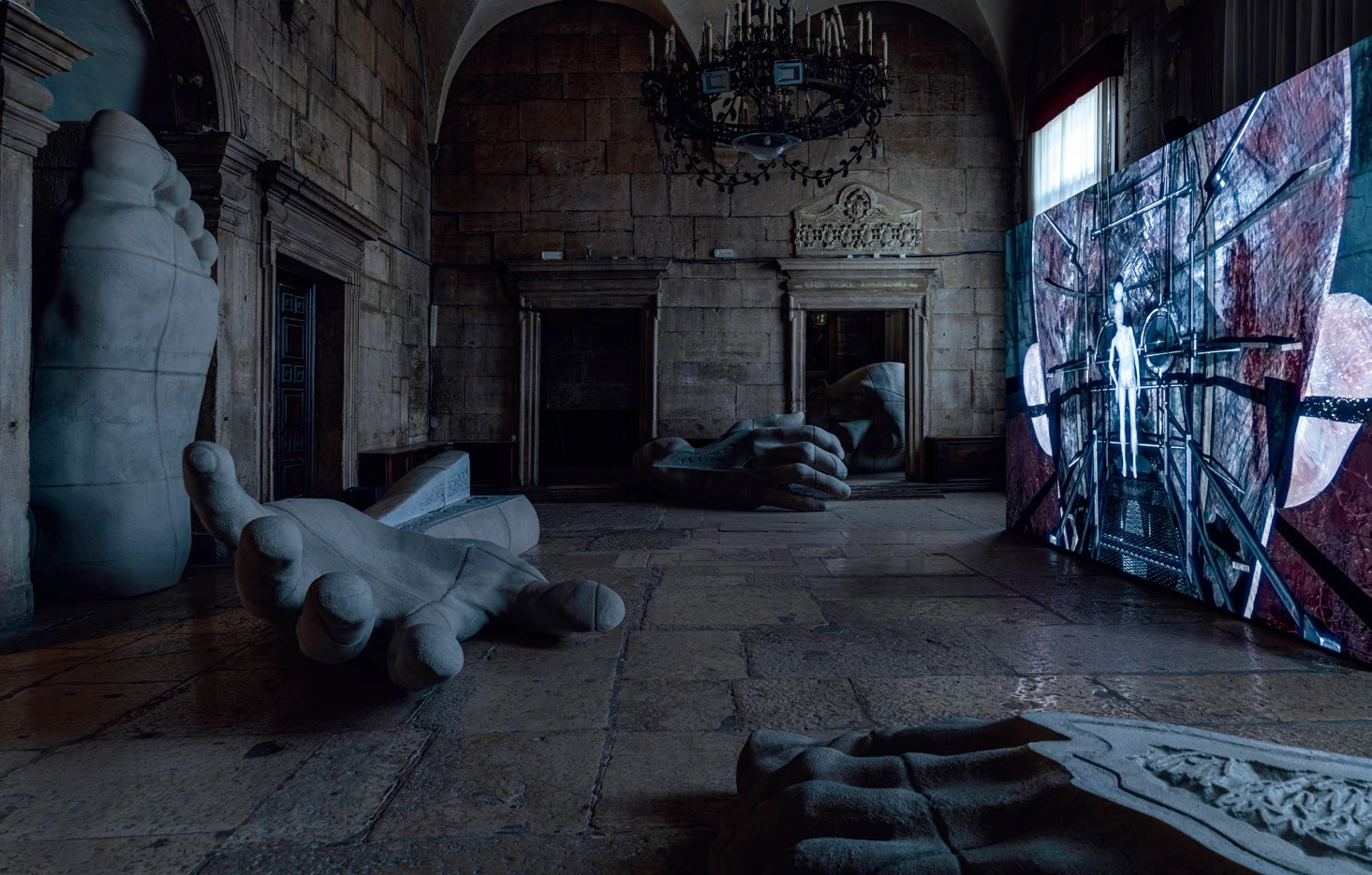
Even after so many months of development and preparation for Yi-Fan Li's participation in the Venice Biennale, it was only when the exhibition opened to the public that the circle truly became complete. This is not something unique to this particular project, but rather a condition of any exhibition - whether collective or solo, on the scale of a major biennial or within an independent art space. The planning and mental process involved in realizing an exhibition are always tested first when everything is finally installed and, in a second and more dramatic moment, when we watch people enter the space. There is no way to control the bodies that occupy it, nor how visitors will respond to what has been proposed by the artist and the curatorial team. That is where the magic happens - and it is precisely then that everyone involved witnesses the project unfolding in real time, oscillating between peaks of anxiety, joy, and, of course, tension about the audience's response.
Once open, Screen Melancholy revealed itself to be a fascinating experiment in the relationship between the viewer's body and the moving image within what we conventionally call a video installation. Biennials, much like festivals devoted to music, theater, dance, or cinema, are spaces of intense activity and social anxiety. Especially during their opening days, bodies move frenetically between the desire to consume new images and to form rapid opinions, while also seeking encounters with friends, colleagues, loves, and former loves in our professional circles. Amid this whirlwind, however, there is also - fortunately - the presence of a non-specialized public, which, in the case of visual arts exhibitions, comes to constitute the majority of visitors after the premieres.
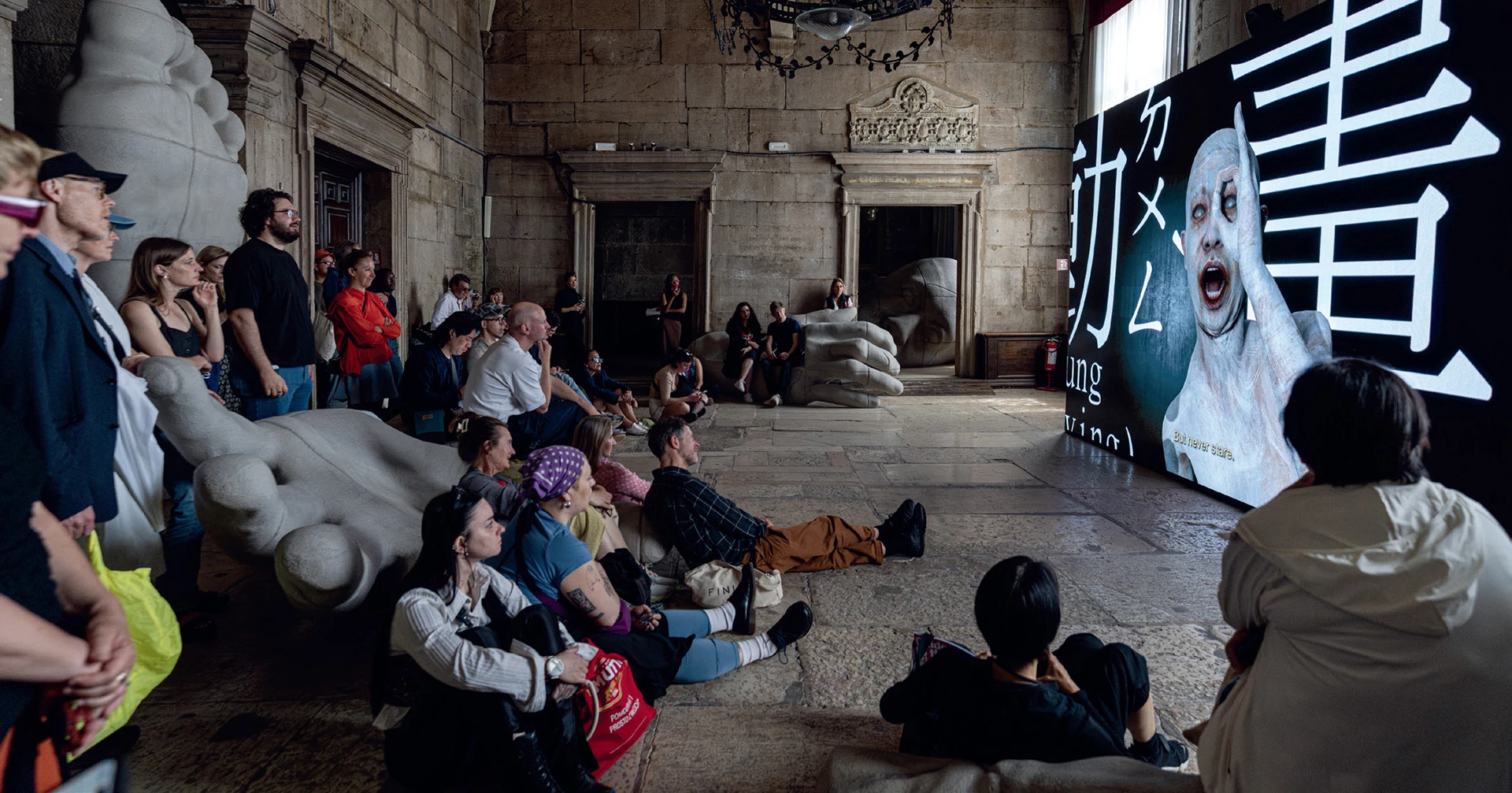
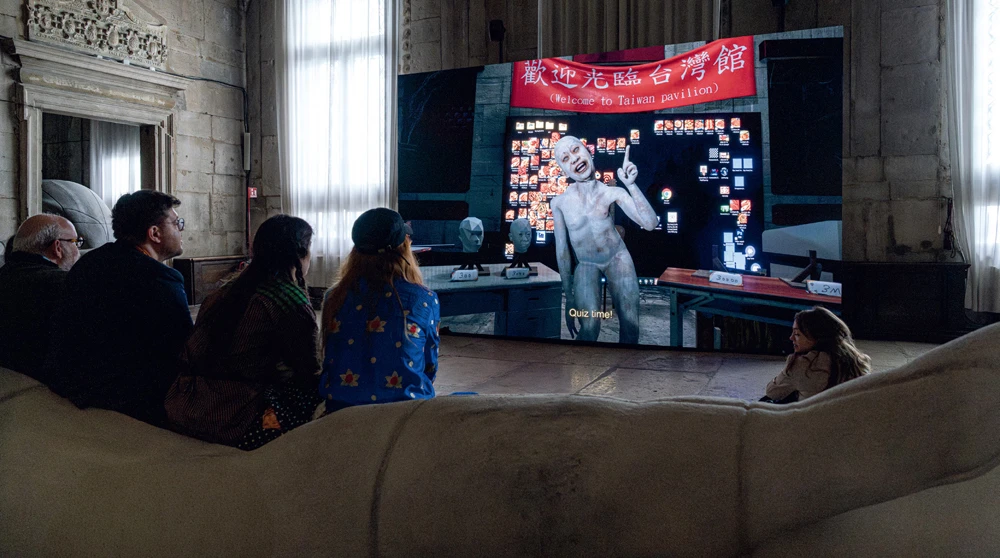
With a running time of sixty minutes, we spent a great deal of time discussing the audience's attention span within a platform such as the Venice Biennale. Our surprise has been considerable - and continues to be so - as we have observed visitors feeling welcomed by and curious about the "screen melancholy" of Yi-Fan Li's narrative, remaining in the space for long stretches of time, watching the film, laughing, becoming startled, and eagerly anticipating the next turn in the story. The encyclopedic structure of the narrative, along with the zigzagging shifts in information and emotional temperature proposed by Yi-Fan, captures the viewer's attention and places them in a position where anything seems possible in the next second. The narrative's unpredictability creates a physical hesitation, making visitors somewhat reluctant to move through the space. Watching people inside the Palazzo delle Prigioni, I often had the impression that they feared that simply walking away might cause them to miss something essential in the film.
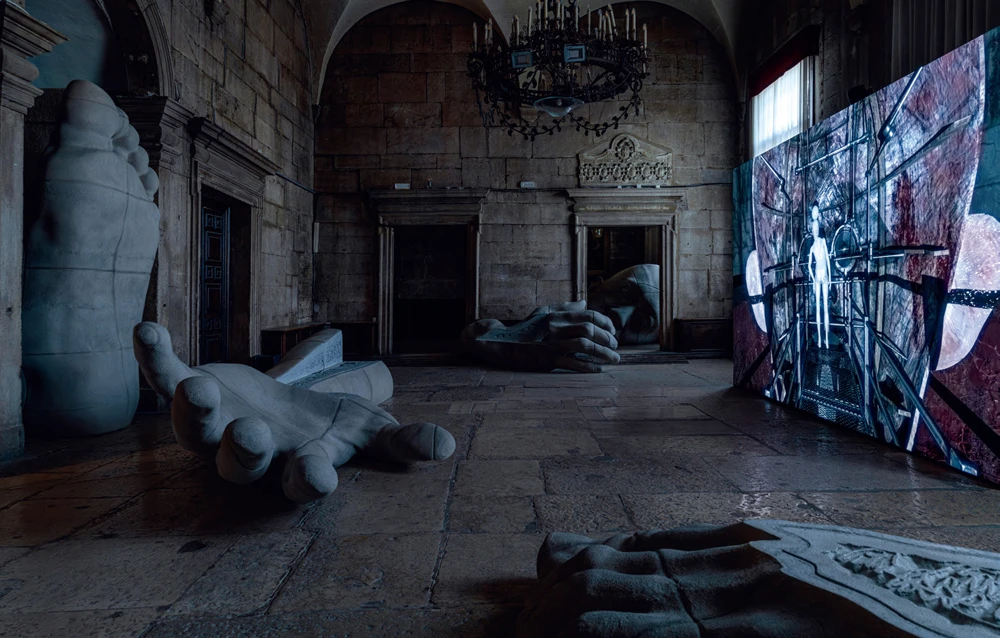
When visitors realized that the large sculptures occupying the gallery were not merely sculptures but also pieces of furniture on which they could sit, expressions of relief and surprise became immediately apparent. Amid the exhaustion of Venice's relentless tourist rhythm, they had finally found a place where - even if they were not entirely engaged with the film - they could rest. Then, noticing the unusual cables extending from the structures and realizing they could charge their phones there, they quickly smiled. The reaction oscillated between amusement, a recognition of the work's playful acknowledgment of our digital dependencies, and the simple relief of those whose devices had been running low after hours of navigating the city.
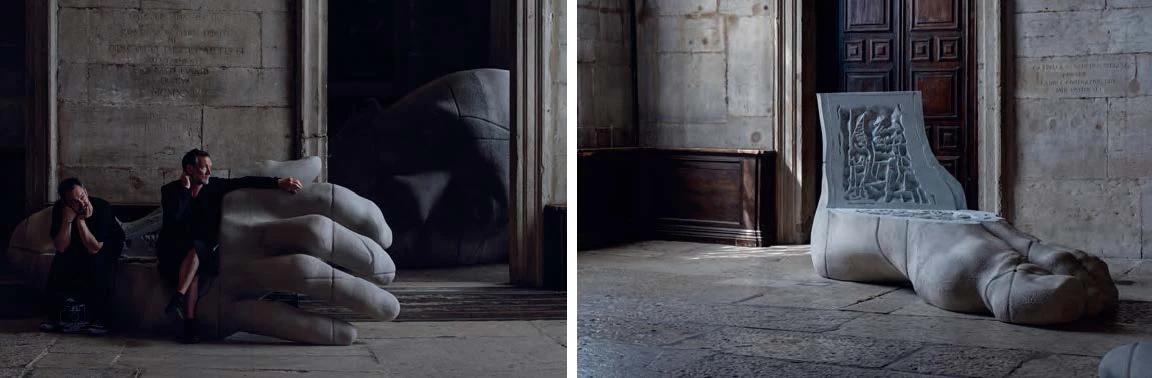
Screen Melancholy:Li Yi-Fan, 2026 © Li Yi-Fan. Courtesy of the artist and TFAM of Taiwan Collateral Event 2026
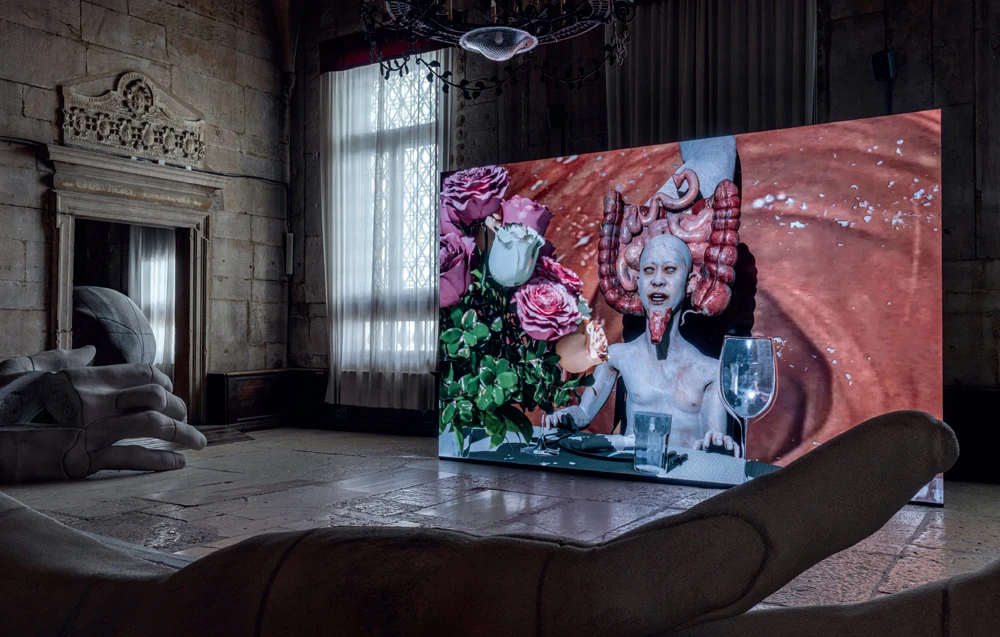
Screen Melancholy:Li Yi-Fan, 2026 © Li Yi-Fan. Courtesy of the artist and TFAM of Taiwan Collateral Event 2026
Charging one's phone, however, came at a price: accompanying Yi-Fan's puppet narrative and its reflections on the status of the image, the history of animation, and its entanglements with artificial intelligence and global structures of power. Only after watching the film in its entirety for the first time did some visitors feel comfortable enough to move around the gallery and examine more closely both the large head installed in the adjacent room and the Polaroid pinned to the wall, as well as the cellphone attached to the back of the sculpture's skull. Suddenly, the narrative became even more complex. Between the Polaroid selfie announced within the film and the puppet performing tricks reminiscent of the street magicians one encounters throughout Venice - reminding us that everything is ultimately a grand illusion - the viewer emerged carrying more questions than any of the possible certainties articulated by the central video.
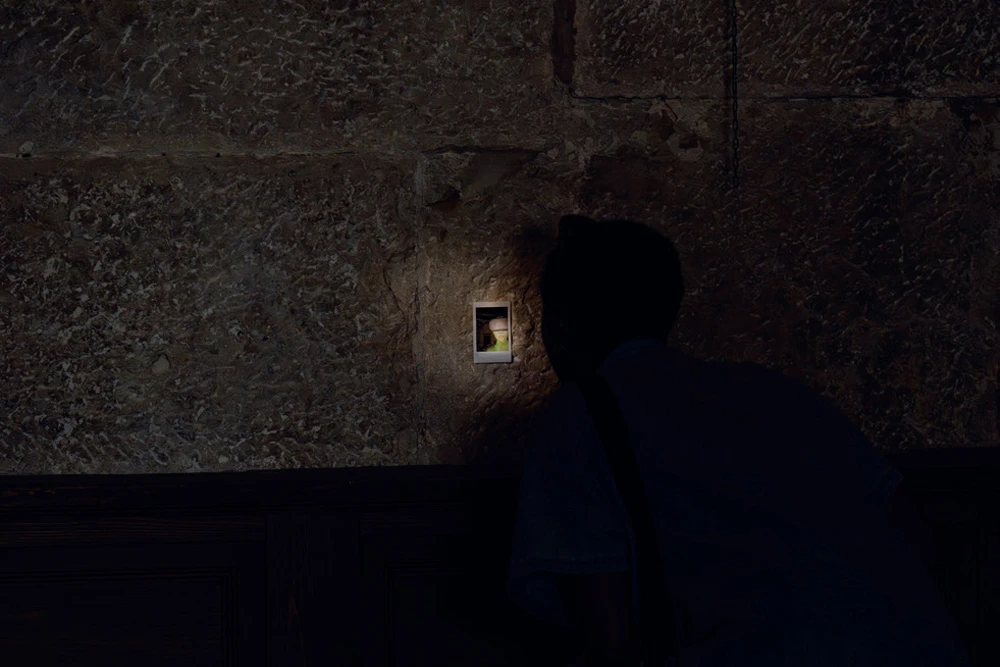
Screen Melancholy:Li Yi-Fan, 2026 © Li Yi-Fan. Courtesy of the artist and TFAM of Taiwan Collateral Event 2026
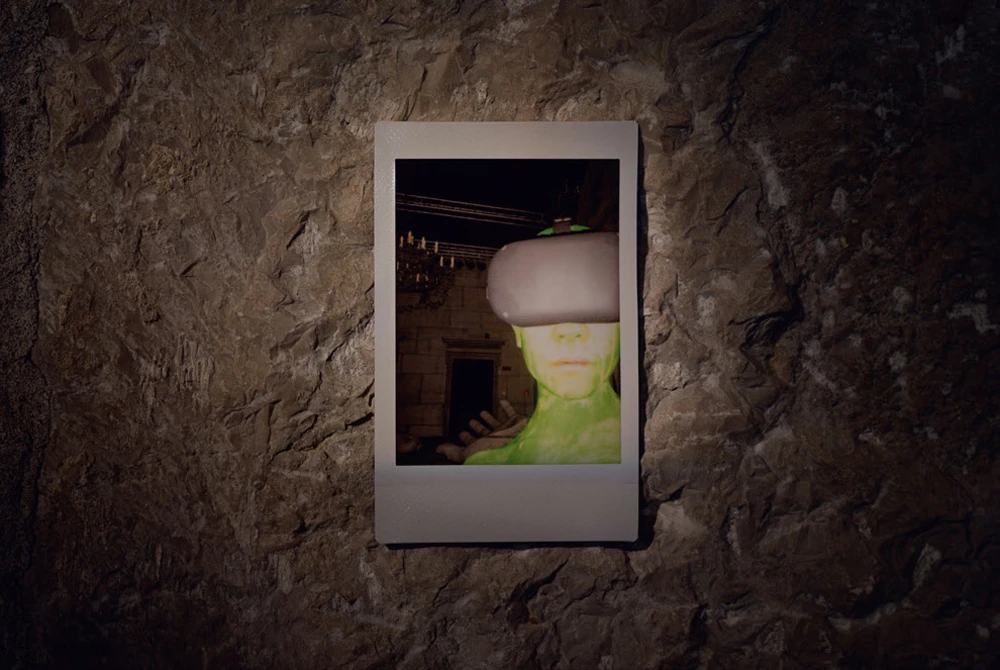
Screen Melancholy:Li Yi-Fan, 2026 © Li Yi-Fan. Courtesy of the artist and TFAM of Taiwan Collateral Event 2026
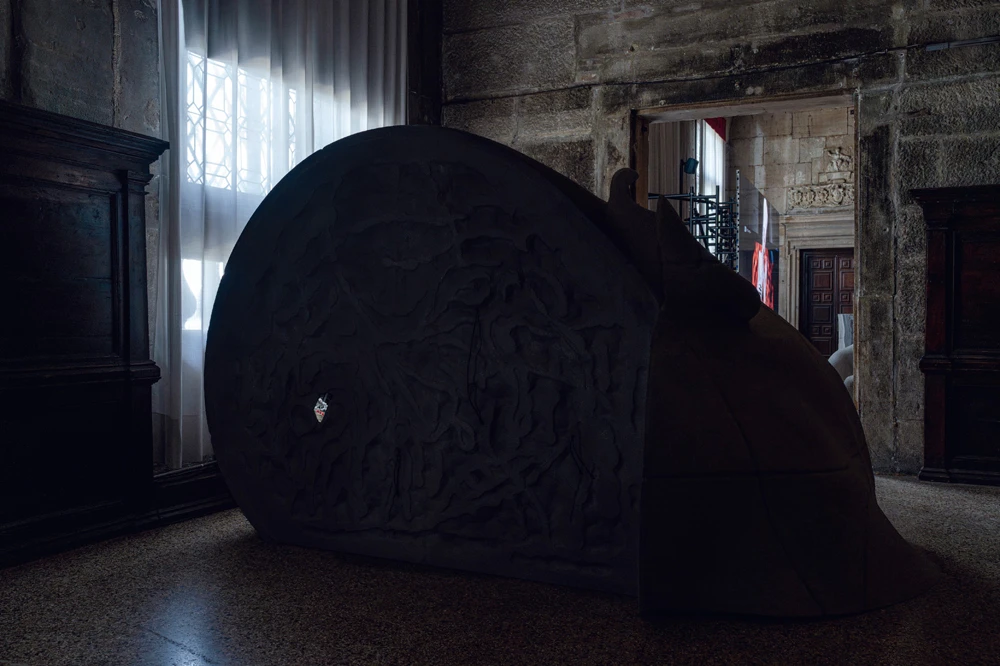
Screen Melancholy:Li Yi-Fan, 2026 © Li Yi-Fan. Courtesy of the artist and TFAM of Taiwan Collateral Event 2026
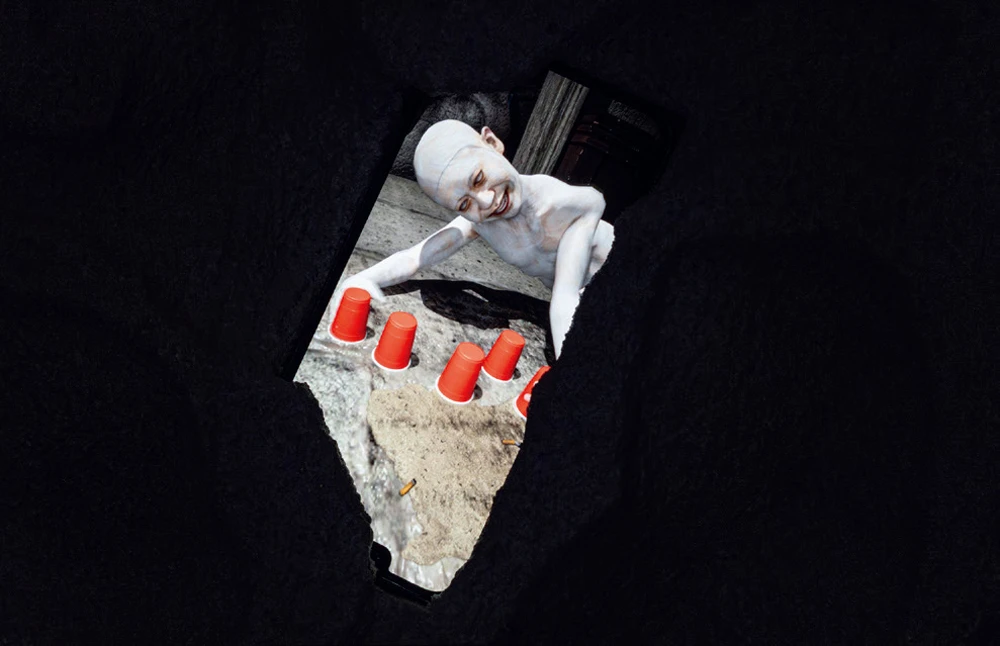
Screen Melancholy:Li Yi-Fan, 2026 © Li Yi-Fan. Courtesy of the artist and TFAM of Taiwan Collateral Event 2026
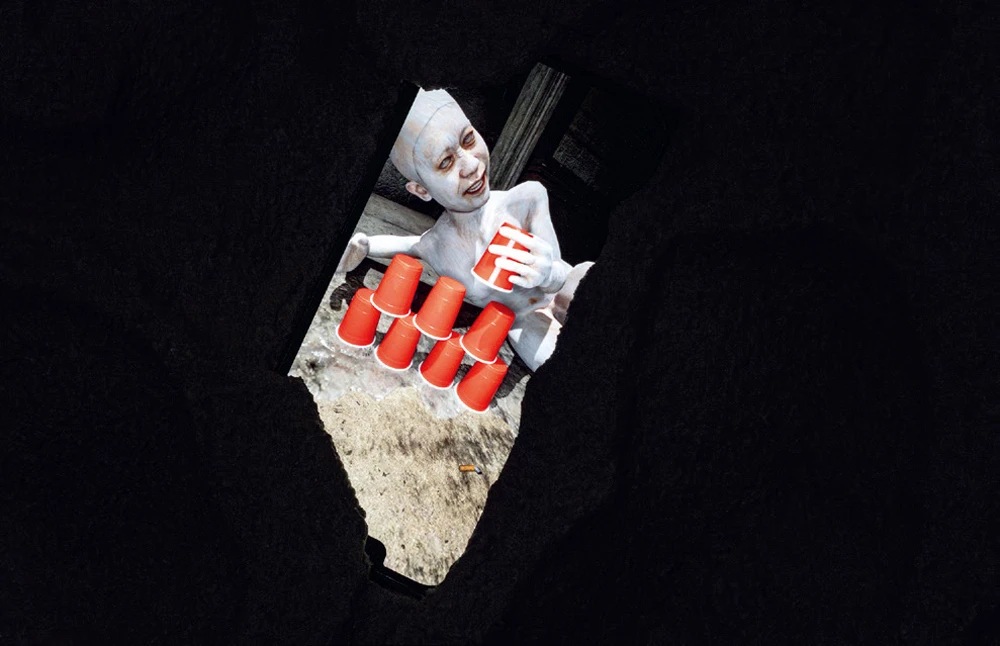
Screen Melancholy:Li Yi-Fan, 2026 © Li Yi-Fan. Courtesy of the artist and TFAM of Taiwan Collateral Event 2026
Besides the video installed halfway up the staircase, which serves as an introduction to Yi-Fan's universe - where a puppet draws on the surface of a window positioned beside one of the Palazzo's original windows, and where one can see not only the puppet but also the puppeteer's body - there is the constant presence of sound throughout the space. Connected to the main video via speakers distributed across different areas, it repeatedly draws us back to the exhibition's central narrative. Even though it is such a verbose film - spoken in both English and Mandarin - it is through the ambient sounds and the noises that emerge from the movement of the background scenery, almost like a theatrical stage set, that the soundtrack becomes louder and more aggressive, functioning almost as a wake-up call.
While still digesting not only the experience of witnessing people's reactions in the space for the first time, but also the reviews and discussions surrounding Yi-Fan's images online, I find another aspect of Taiwan's presence at the Venice Biennale that I feel is rarely analyzed: its geographical position. We should not forget that, beyond the historical and conceptual approach through which Yi-Fan explores in his visual narrative the fact that this palace was, in reality, not an elegant monument but an extremely violent prison, the exhibition also takes place beside Piazza San Marco, one of the busiest areas in Venice. This is a place that almost everyone passes through when visiting the city, from first-time tourists to those walking between the Arsenale and the Giardini. There stand the Palazzo delle Prigioni and the Bridge of Sighs, unavoidable landmarks within the Venetian landscape. Moreover, admission to the pavilion is free. While access to the Venice Biennale costs around thirty euros per day, this exhibition is open to all audiences, becoming a genuine point of attraction and sparking curiosity from the moment visitors encounter its banner outside to the moment they enter its interior spaces.
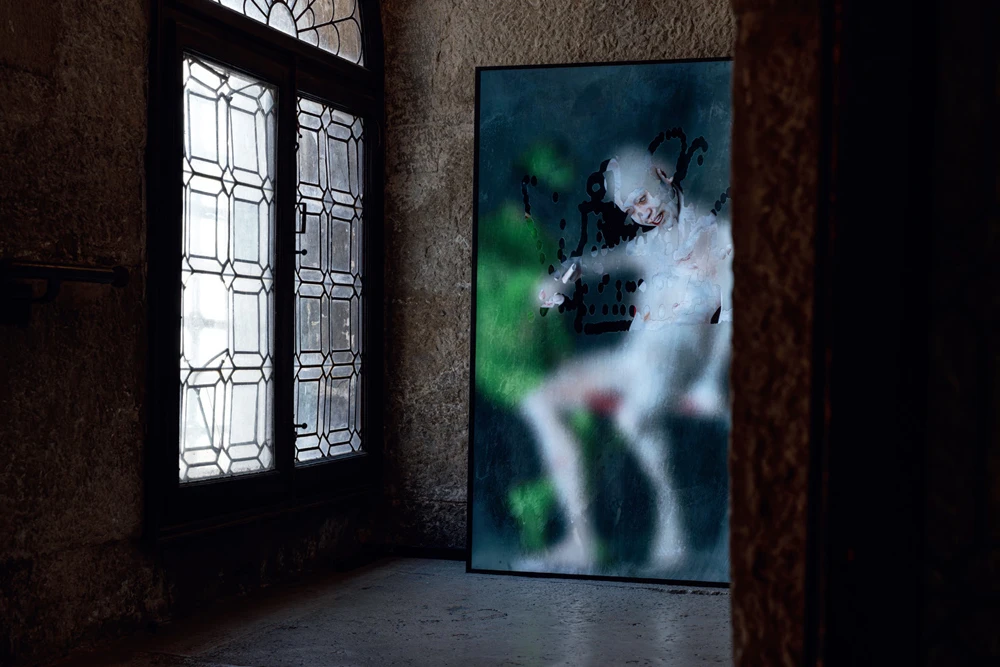
Screen Melancholy:Li Yi-Fan, 2026 © Li Yi-Fan. Courtesy of the artist and TFAM of Taiwan Collateral Event 2026
Perhaps the fact that Yi-Fan's work - and several other pavilions at this year's Venice Biennale - does not explicitly illustrate the theme In Minor Keys is also worth remembering. I do feel that his work touches on the subtlety of being alive and resisting chaos through the small activities of everyday life. Yet, with such a grandiose and absurd narrative, it almost seems as though the artist is ironically suggesting that this is no longer a matter of minor or major keys. Perhaps we should forget about keys altogether - whether they belong to a piano or a prison door, whether they are made of metal or are electronic access cards. There is no key and no way out. We are all trapped in the chaos of the world, and, as I repeatedly wrote throughout this biennale, there is no way back. At the same time, this is only the beginning of the end.