從 2025 年開始,《現代美術學報》由主編策劃前瞻性議題,邀請國內外專家學者提出最新研究成果。每期學報聚焦於重要的主題與概念框架,使各篇論文得以相互連結與對照,並凸顯彼此的關聯或差異。編輯委員會與主編秉持此理念,歷經兩年的研擬與討論,正式推出最新專號「折射的現實:亞洲現代與當代攝影」。在影像加速生產與消費的時代,我們期許本專號能提升各界對亞洲攝影文化的重視,並激發對攝影多種可能性的思辨,彰顯攝影不僅是銘記現實的文件,亦是形塑現實的圖像。
本世紀初以來,有關亞洲現代與當代攝影的展覽與研究蓬勃發展,同時,攝影檔案的出土與整理、攝影史的書寫與出版也日益增加。在此趨勢下,攝影在藝術與視覺文化中的角色,以及攝影與現實之間的複雜關係,持續在藝術場域和學術圈引發熱烈辯論。本期學報特別以「折射的現實:亞洲現當代攝影」為專題,邀集來自臺灣、日本、韓國、香港、新加坡的研究者,共同探討攝影如何折射並形塑亞洲的現實世界(如戰爭事件、帝國主義、環境危機、科技變革等),並細膩詮釋日常生活中的成長、家庭、性別與年老經驗。如本期作者的研究所示,亞洲現當代攝影的發展軌跡由各地方的行動者主導和推動,同時也受到外部力量的影響而轉變。
本期共刊登六篇論文,主題涵蓋新聞攝影、街頭攝影、觀念攝影、編導攝影、紀實攝影與科學攝影。此外,亦收錄一篇學術書評,將臺灣現當代攝影置於全球脈絡下,討論其在文化和歷史上的重要性。本期作者雖立足於不同的研究材料與方法論,但皆聚焦於攝影如何折射、組構與轉譯現實,甚至超越現實、造就更深刻的真實。作者們深入探討攝影作為一種美學策略與思考空間,如何表現時間性、回顧歷史並構成社會記憶。這些論文不僅探索攝影媒介的紀錄與再現特質,也強調攝影中的表演元素、敘事動能與意識形態。部分作者更著眼於攝影隨著裝置藝術與數位技術的發展,在觀念、材質與跨域連結上產生的諸多變貌。雖然本專號錨定亞洲,但並非意圖勾勒亞洲的同質性與本質性。隨著人口遷移與國際地緣政治的變局,「亞洲」的概念已不僅限於固定的地理區域,更擴展至跨國的族群網絡及文化想像的投射。
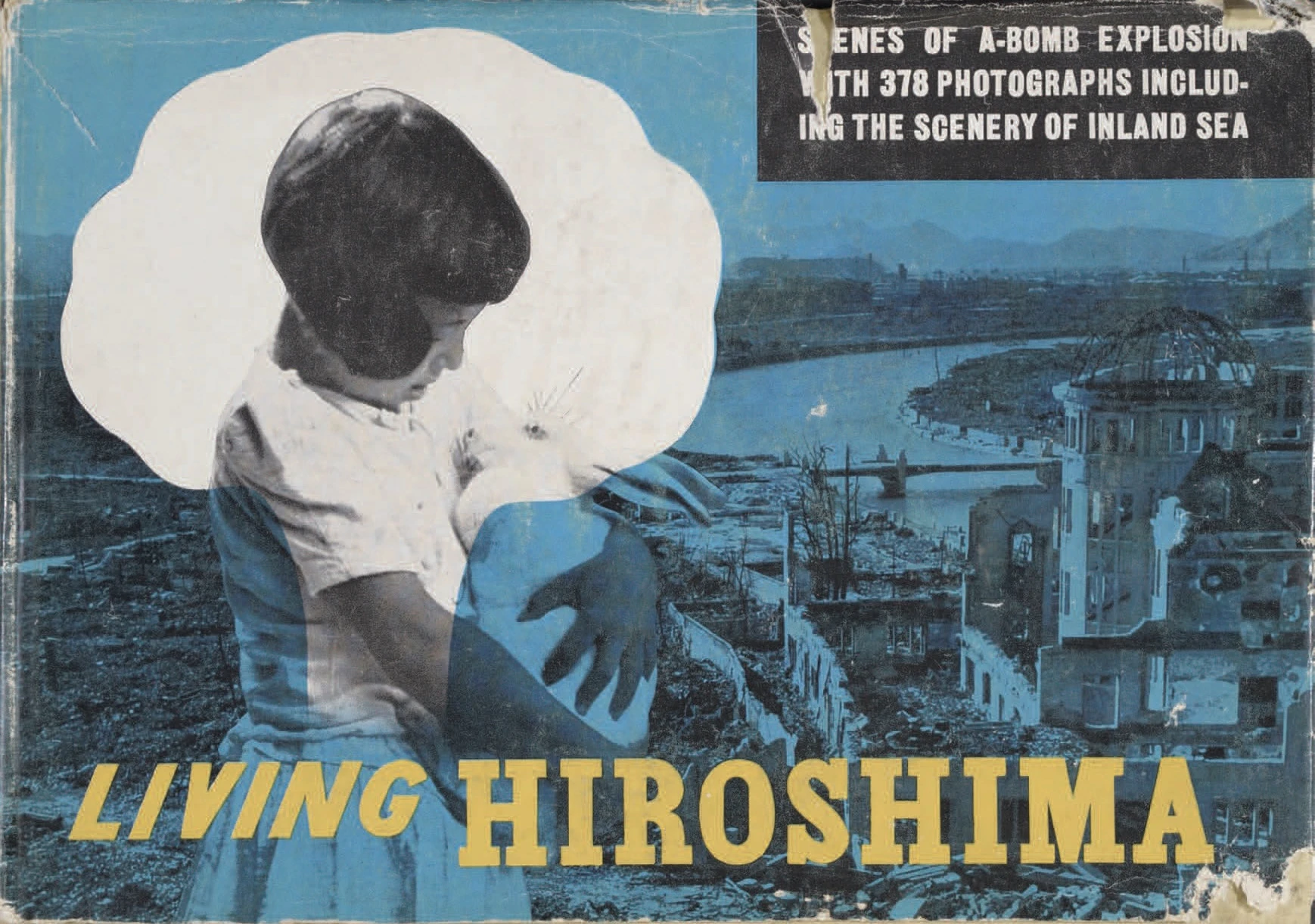
小原真史的〈勝利的意象:戰敗國日本紀念碑式攝影的形成(1945-1956)〉,指出攝影並非世界的透明鏡像,而是潛藏著特定的文化訊息和政治脈絡。此文探討二次大戰末期美國如何建構「勝利意象」,透過分析新聞攝影、雜誌封面、公債廣告、郵票等,論證「勝利意象」表述邁向勝利之路的愛國主義敘事,形成紀念碑式集體記憶。另一方面,日本攝影師在戰爭期間參與國策宣傳,戰後轉而拍攝廣島和長崎原爆廢墟和倖存者,因而形塑「戰敗意象」和受害者意識。無論是美國的勝利意象,或是日本的戰敗意象,八十餘年以來皆廣泛流傳,其不斷重複的視覺符號顯示戰爭、國族主義和帝國主義如何動員影像的力量,卻模糊了歷史現實。
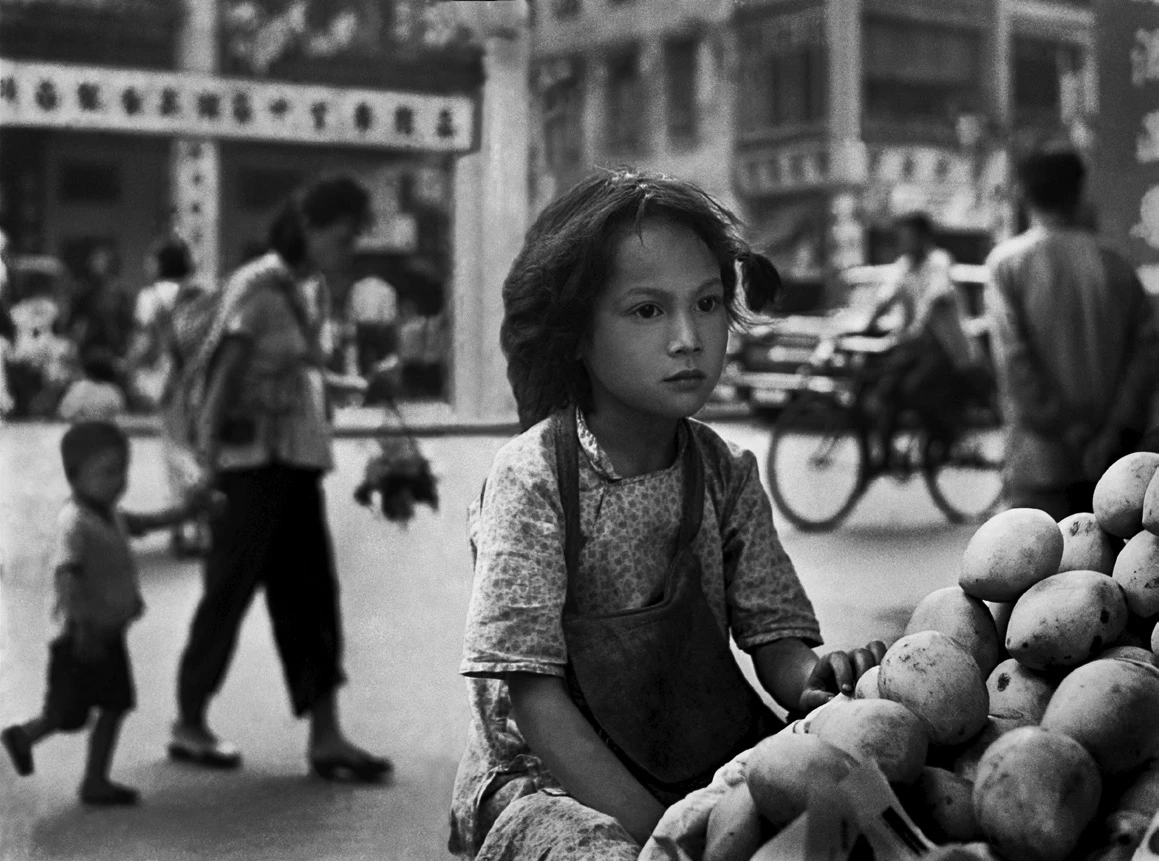
在〈畫意、寫實、新潮:何藩的街頭攝影系列「大都市小人物」(1957–1961)〉中,陳智廷聚焦於香港攝影家何藩在《中國學生周報》刊載的同名街頭攝影系列。1950 年代國際沙龍體制盛行畫意攝影,而何藩透過創作與書寫,深切探索畫意、寫實和現代之間的辯證關係。本文提出「都市寫實主義」的觀點,詮釋何藩街頭人物攝影中的美學視野與社會關懷,考察他如何融合靜態照片的「決定性瞬間」與具電影感的視覺經驗,回應卡蒂埃-布列松(Henri Cartier-Bresson)及馬格蘭通訊社(Magnum Photos)所掀起的人文主義新聞攝影浪潮。
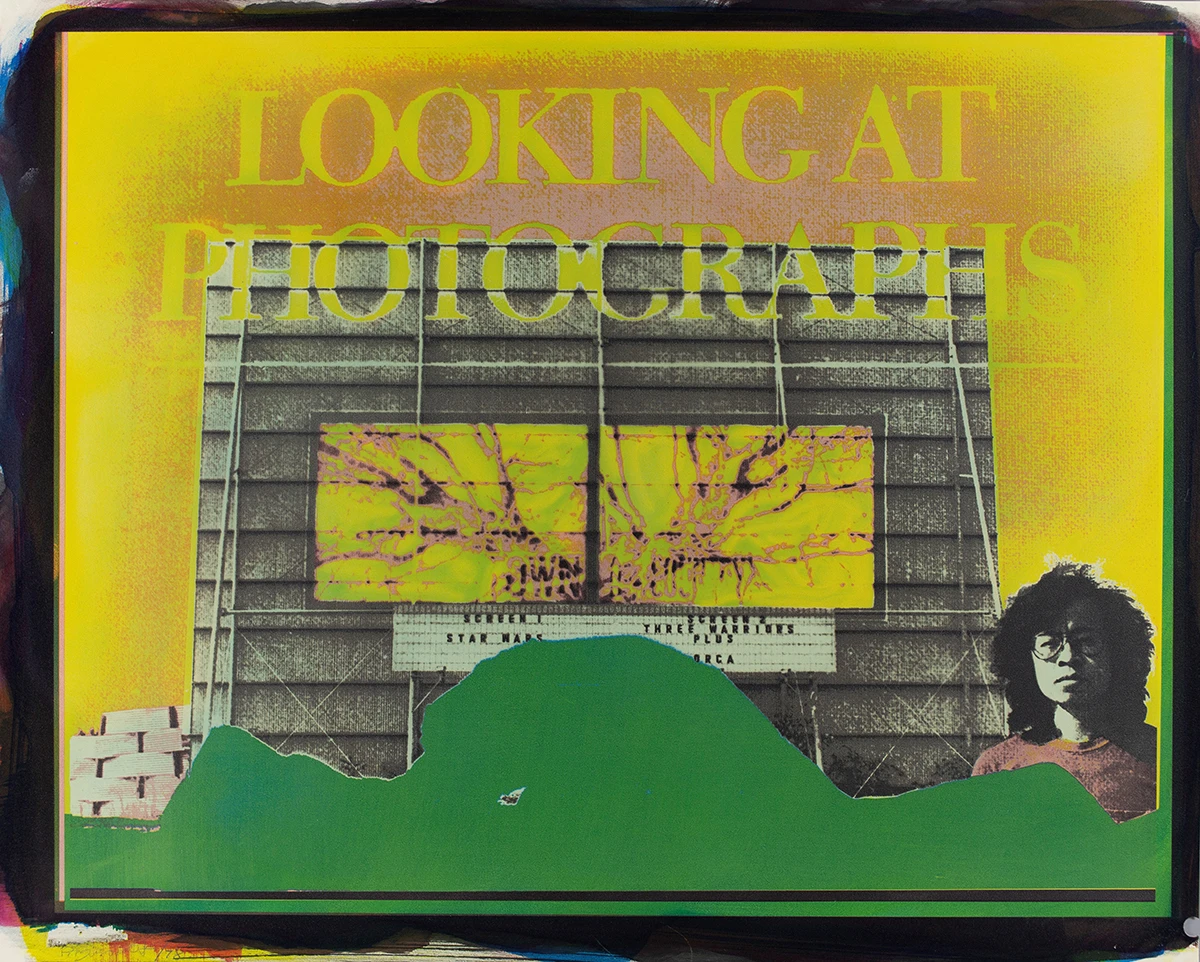
莊吳斌的〈重探 1970 年代東南亞攝影的觀念性〉在國際觀念藝術發展的脈絡下,討論 1970 年代三位具有前瞻性的東南亞藝術家,分析他們的作品如何運用攝影挑戰藝術邊界,省視社會議題和個人生命處境。妮爾瑪拉.杜特(Nirmala Dutt)、納普.賈米爾二世(Nap Jamir II)和普拉穆安.布魯斯帕特(Pramuan Burusphat)的創作,運用不同的美學形式探索攝影的觀念性、紀錄功能和戲劇潛力。這三位藝術家發揮攝影的可塑性,各自回應馬來西亞、菲律賓、泰國的文化政治和社會現實,扣連現代性、跨國遷徙和自我認同的課題。
在〈「場面調度」在韓國攝影藝術化接受過程中的作用〉中,朴平鍾探討 1950 到 1990 年代韓國評論界對攝影本質的爭辯,分析其如何從寫實主義和直接攝影的主流立場,隨著當代藝術界對攝影媒介的接納,使「場面調度」逐漸獲得認可與肯定。作者區分了場面調度中的顯性與隱性效果,指出其具有程度不一的劇場特質:從「擬似紀實」、模特兒的自我演出到積極的編導設計,涵蓋了表現「真實性」的不同策略。本文進一步闡釋三位攝影家(吳亨根、金玉善、尹丁美)的代表性作品,分析其中的擬像、敘事與電影感。
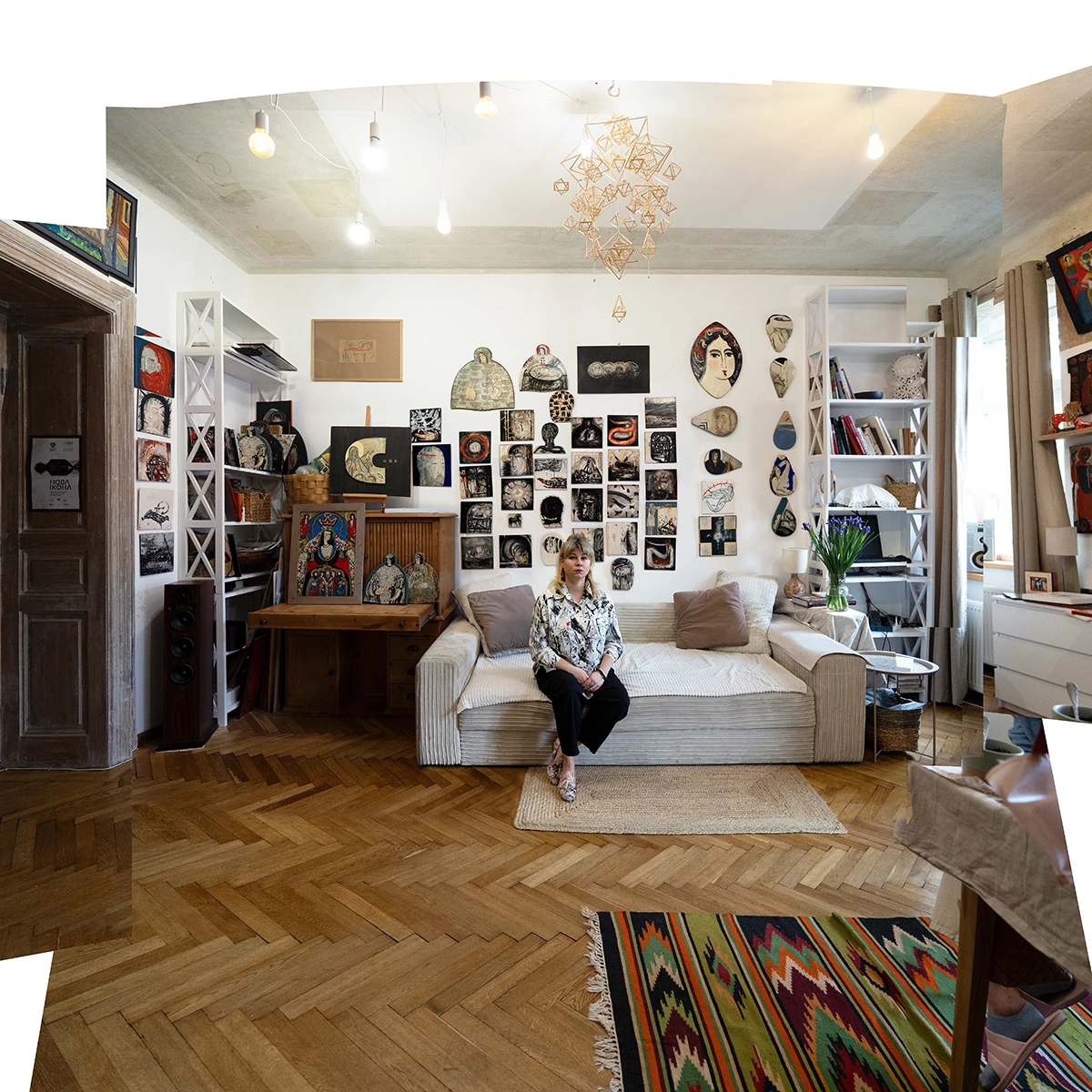
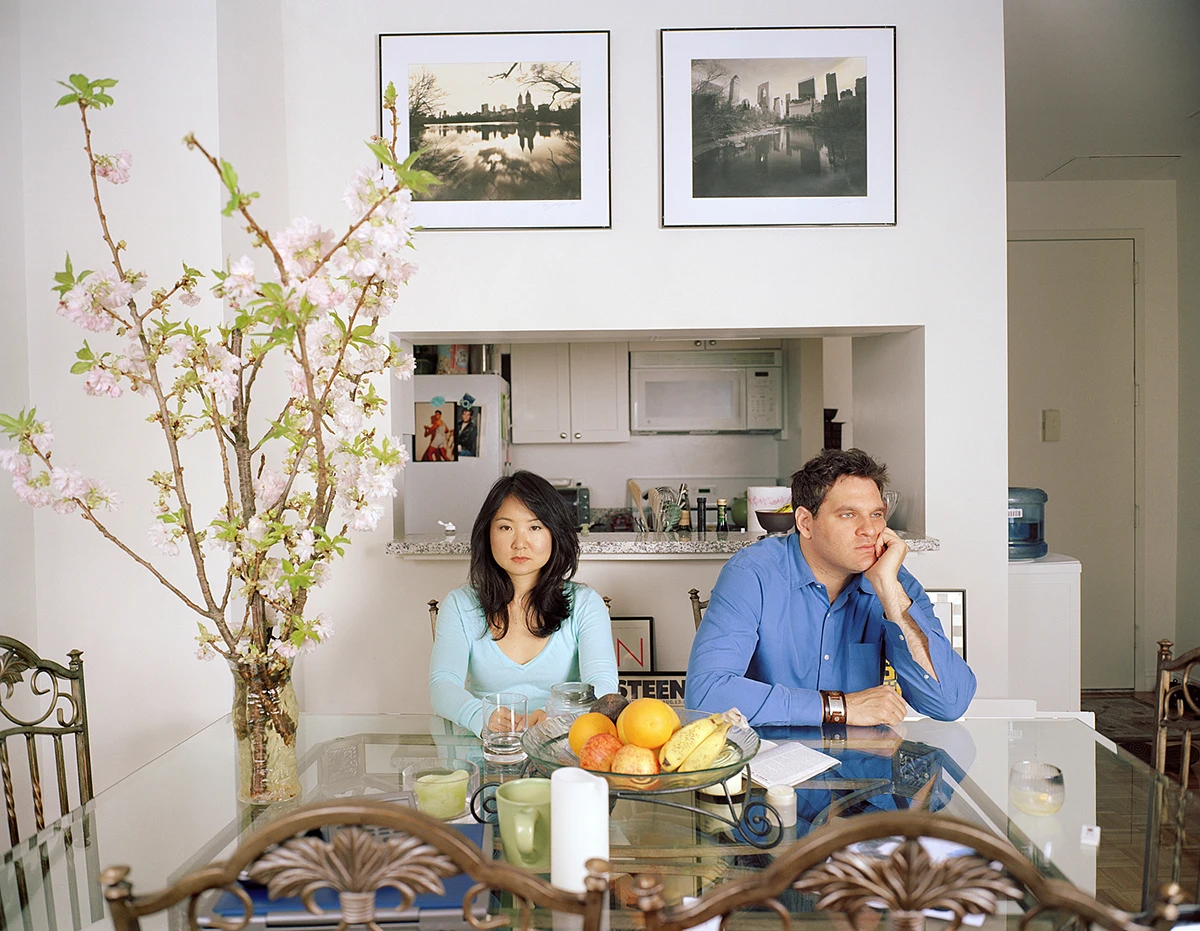
魏竹君的〈鑄造生命的攝影實踐:何孟娟的關係肖像與侯怡亭的觸覺檔案〉,運用當代攝影理論和藝術家自述,詮釋何孟娟的《魏斯貝絲計畫》與烏克蘭女性藝術家系列,以及侯怡亭的《歷史刺繡人》作品。作者指出兩位藝術家將攝影作為日常照護實踐,也強調藝術能夠延伸生命的潛能。本文特別談論金芝潓(Jeehey Kim)有關東亞喪葬肖像攝影的研究、蘿拉.瑪克絲(Laura Marks)的觸覺視覺(haptic visuality)觀點,主張何孟娟和侯怡亭的創作交織著歷史時間和身體行動,而非將攝影視為單純的再現或證據。
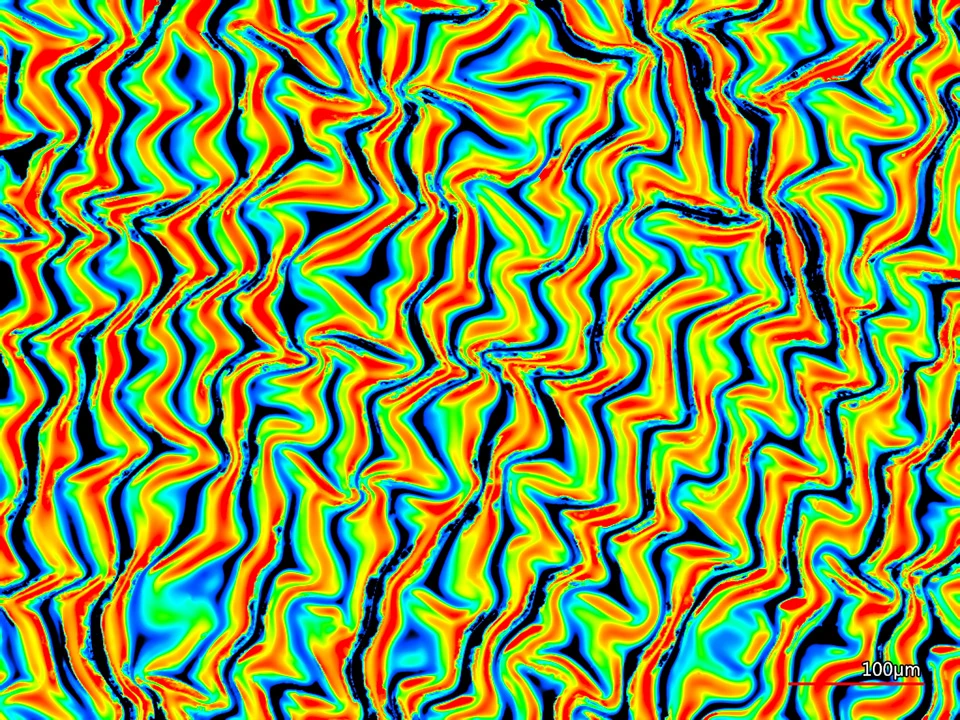
在〈事實的美學:從當代科學攝影競賽談起〉一文,李立鈞透過臺灣兩個重要的科學攝影比賽,分析科學家眼中的影像美感和生產知識的過程。作者解說科學造像的生成原理和技術條件,闡述光學拍攝相片和電子顯微鏡擷取訊號之間的差異。本文運用「後攝影」的概念及「科學影像」的觀點,指出科學競賽得獎作品,其實是經過了調整、校準和標準化的操作,目的是為了確立科學知識及判讀科學資料,呈現出「事實的美學」,因此有別於一般理解攝影為「光的記寫」。
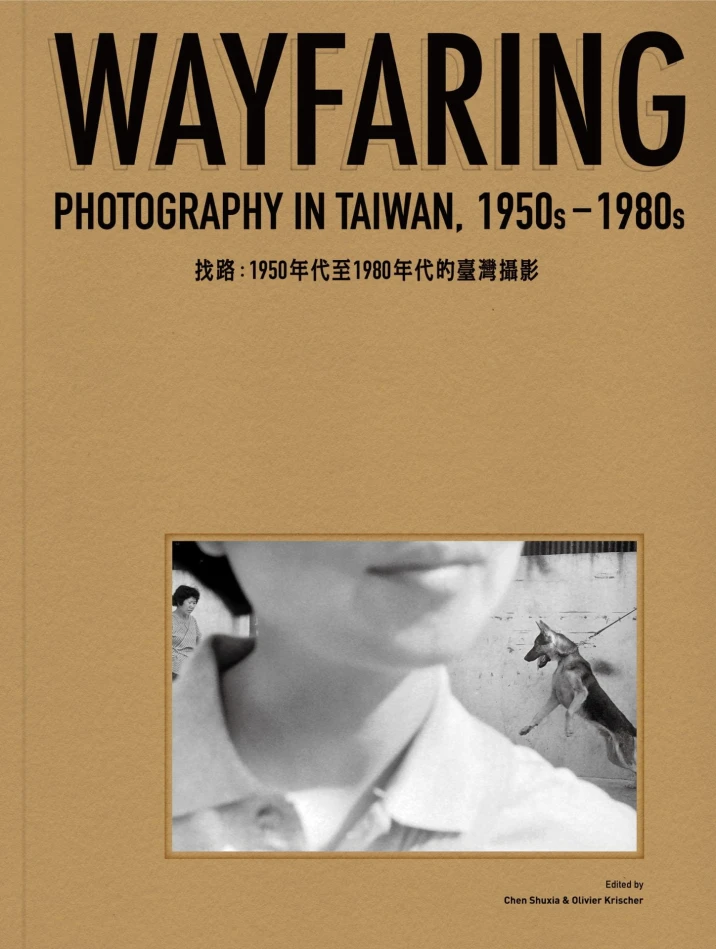
最後,專號刊登王涵智的學術書評,針對近期出版的英文專書《找路:1950 年代至 1980 年代的臺灣攝影》(Wayfaring: Photography in Taiwan, 1950s-1980s)提出觀察。該書彙編了臺灣、美國、澳洲、新加坡等國學者的研究成果,以及藝術家和攝影雜誌主編的訪談,整體呈現出多元的方法論和批判性歷史回顧,並凸顯了第一手材料的珍貴價值。這 40 年間臺灣攝影發展出截然不同的路徑和風貌,包括沙龍畫意、現代主義、紀實報導與街頭攝影等。解嚴前後,攝影家對於城市、農村、環境、性別、精神疾病、後殖民等層面,有更多觀察、詮釋和表達。作者除了肯定本書的學術貢獻之外,亦提示臺灣攝影和其他地區的攝影潮流常有互動及對話,值得更多深入的研究。
Since 2025, the Journal of Taipei Fine Arts Museum has adopted an editorial model in which the chief editors develop a prescient theme for each issue. They invite domestic and international scholars and experts to present their latest research. Each issue focuses on a significant theme and conceptual frameworks, allowing the individual essays to enter a dialogue with one another while highlighting their connections and differences. With this approach, the editorial board and chief editor, after two years of developing and discussing, are please to officially launch the latest issue, “Refracted Realities: Modern and Contemporary Photography in Asia.” At a time when images are produced and consumed at an ever-accelerating pace, we hope this issue will draw greater attention to photographic cultures across Asia and encourage critical reflection on photography’s manifold possibilities. It seeks to foreground photography not only as a document that records reality, but also as a form of image-making that shapes it.
Since the beginning of twenty-first century, exhibitions and research on modern and contemporary Asian photography have flourished, accompanied by a growing number of initiatives devoted to the recovery and cataloguing of photographic archives, as well as the writing and publication of history of photography. Against the backdrop, the role of photography in art and visual culture, as well as the complex relationship between photography and reality, continues to spark vigorous debate in both the art world and academic circles. With “Refracted Realities: Modern and Contemporary Photography in Asia” as its theme, this issue brings together researchers from Taiwan, Japan, Korea, Hong Kong and Singapore to explore how photography refracts and shapes realities across Asia — such as war, imperialism, environmental crises, and technological transformations — while offering nuanced interpretations of experiences of growing up, family, gender, and aging. As the contributors demonstrate, the development of modern and contemporary Asian photography has been led and propelled by local advocators, while also evolving under the influence of external forces.
This issue features six research articles encompassing photojournalism, street photography, conceptual photography, staged photography, documentary photography, and scientific photography. It also includes an academic book review that places Taiwanese modern and contemporary photography within a global context and considers its cultural and historical significance. While drawing on diverse research materials and methodological approaches, all the contributors examine how photography refracts, constructs, and translates realities — and even how it may move beyond reality to produce more profound forms of truth. They explore photography as both an aesthetic strategy and a space for critical reflection, examining its capacity to articulate temporality, revisit history, and constitute social memory. The articles address not only the documentary and representational qualities of the photographic medium but also emphasize its performative elements, narrative dynamics, and ideological dimensions embedded within photographic practices. Some contributors further consider the myriad transformation in photography, in terms of concepts, materials, and interdisciplinary connections, alongside developments in installation art and digital technologies. Although this issue takes Asia as its point of reference, it does not seek to portray Asia in terms of cultural homogeneity or essentialism. With population migration and shifts in international geopolitics, the concept of “Asia” is no longer confined to a fixed geographic region but has expanded to encompass transnational ethnic networks of cultural imaginaries.
In “Image of Victory: How to Create Monumental Images in Defeated Japan, 1945-1956,” Masashi Kohara points out that photography is not a transparent reflection of the world but rather conceals specific cultural messages and political contexts. This article explores how the United States constructed “images of victory” toward the end of World War II. Through an analysis of press photographs, magazine covers, war bond advertisements, postage stamps, and other visual materials, Kohara demonstrate how the “image of victory” articulated a patriotic narrative of the path toward victory, thereby forming a monumental form of collective memory. In Japan, meanwhile, photographers who had participated in state propaganda during the war, turned after the war to photographing the ruins and survivors of the atomic bombings of Hiroshima and Nagasaki, thus shaping an “image of defeat” and a sense of victimhood. For more than eighty years, both the American image of victory and the Japanese image of defeat have circulated widely. Their constantly repeated visual symbols reveal how war, nationalism, and imperialism mobilize the power of imagery, yet simultaneously obscure historical reality.
In “Pictorialism, Realism, and New Wave: Fan Ho’s Street Photography Series ‘Big City, Little Man’ (1957-1961),” Timmy Chih-Ting Chen focuses on Hong Kong photographer Fan Ho’s eponymous series of street photographs published in The Chinese Student Weekly. At a time when Pictorialism prevailed within the international photographic salons around the 1950s, Ho explored the dialectical relationships among Pictorialism, Realism, and modernity through both his photographic practice and writing. This article proposes the concept of “urban realism” to interpret the aesthetic vision and social concerns in Ho Fan’s Street photography, examining how he fused the “decisive moment” of still photography with a cinematic visual experience in response to the humanistic photojournalism pioneered by Henri Cartier-Bresson and Magnum Photos.
In “Revisiting the Conceptual in Photography in Southeast Asia during the 1970s,” Zhuang Wubin examines three pioneering Southeast Asian artists of the 1970s within the broader context of international Conceptual Art, analyzing how they employed photography to challenge the boundaries of art and reflect on social issues and the circumstances of individual lives. Working across different aesthetic forms, Nirmala Dutt, Nap Jamir II, and Pramuan Burusphat explored photography’s conceptual nature, documentary function, and theatrical potential. Harnessing the versatility of photography, these three artists respectively respond to the cultural, political, and social realities of Malaysia, the Philippines, and Thailand, addressing themes of modernity, transnational migration, and self-identity.
In “The Role of Mise-en-scène in the Artistic Acceptance of Korean Photography,” Park Pyungjong examines debates among Korean critics over the nature of photography from the 1950s to the 1990s. He traces how, as photography gained acceptance within the contemporary artwworld, critical discourse gradually moved beyond the prevailing positions of Realism and Straight Photography, allowing mise-en-scène to gain increasing recognition and legitimacy. Park distinguishes between the explicit and implicit effects of mise-en-scène, identifying varying degrees of theatrical qualities, which range from “pseudo-documentary” approaches and model’s individual performance to deliberate staging and directing. These qualities encompass different strategies for conveying “authenticity.” The article further examines representative works by three photographers — Hein-kuhn Oh, Oksun Kim, and Jeongmee Yoon — analyzing their use of simulacra, narrative and cinematic qualities.
In “Casting Life through Photographic Practice: Isa Ho’s Relational Portraiture and Hou I-Ting’s Haptic Archives,” Chu-Chiun Wei draws on contemporary theories of photography and the artists’ own accounts to interpret Isa Ho’s The Westbeth Project and her series work on Ukrainian women artists, as well as Hou I-Ting’s Lı̍k-sú Tsiam-tsí lâng. Wei argues that artists approach photography as a practice of daily care and emphasizes art’s potential to extend the boundaries of life. This article specifically discusses Jeehey Kim’s research on East Asian funerary portrait photography and Laura Marks’ concept of “haptic visuality,” arguing Isa Ho and Hou I-Ting interweave historical time with embodied action, rather than treating photography merely as representation or evidence.
In “The Aesthetics of Facts: Rethinking Scientific Images through Contemporary Scientific Photography Competitions,” Li-Chun Lee analyzes two major scientific photography competitions in Taiwan to explore how scientists perceive the aesthetics of images and how knowledge is produced through them. Lee explains the principles and technical conditions underlying scientific imaging and elaborates on the distinction between photographs produced through optical imaging and signals captured by electron microscopes. Drawing on the concept of “post-photography” and the perspective of “scientific image,” the article demonstrates that prize-winning images in scientific photography competitions are produced through processes of adjustment, calibration, and standardization. These processes aim to establish scientific knowledge and interpret scientific data, thereby presenting an “aesthetics of fact” distinct from the conventional understanding of photography as “recording of light.”
Finally, the issue features a scholarly review by Peter Han-Chih Wang, offering insight into the recently published English-language edited volume Wayfaring: Photography in Taiwan, 1950s-1980s. The book complies research findings from scholars in Taiwan, the United States, Australia, and Singapore, as well as interviews with artists and editors of photography magazines. It presents a diverse range of methodological approaches and critical historical perspectives while highlighting the invaluable significance of primary source. Over these four decades, photography in Taiwan developed distinctly different approaches and styles, encompassing Pictorialism, Modernistic photography, documentary and photojournalism and street photography. In the years surrounding the lifting of martial law, photographers increasingly turned their attention to the city, rural life, the environment, gender, mental illness, and postcolonial conditions, approaching these subject matters through observation, interpretation, and visual expression. While recognizing the volume’s academic contribution, Wang also draws attention to the longstanding interactions and dialogues between photography in Taiwan and photographic trends in other regions, a topic worthy of further in-depth research.