.webp)
電玩正在改變世界!今年五月間,印度與巴基斯坦發生嚴重軍事衝突,巴基斯坦政府對外發布擊落印度戰機的影片,隨後被揭發竟是使用軍事遊戲《武裝行動3》(Arma 3)移花接木。電玩不只是軍事戰備與戰場的延伸,也成為國際局勢政治角力的利器。本刊第211 期「當代藝術與戰爭」專題中,陳沛珛漫畫〈局外人〉的第一格,男主角以玩戰爭電玩《這是我的戰爭》(This War of Mine)登場,從局內走向局外,事實上局內、局外,虛與實,邁入數位化身的元宇宙已無區隔,電玩與生活不再只是「比現實更佳寫實」的格局,更是互成鏡像的倒影。
電玩也正在改變藝術!據統計,全球已有超過30 億的電玩人口(另個統計甚至聲稱37 億人),這意味將近一半的地球人此時此刻有著專屬的電玩經驗與記憶。無庸置疑,電玩絕對是當代最突飛猛進的全球藝術現象,越來越多藝術創作者由自身電玩經驗出發,電玩成為創作表達的媒介。對此,歐美已有不少相關論述,發展成專門的電玩學研究社群,國內則方興未艾。本期「當代藝術與電玩」專題,即期自全球國際回望臺灣在地,從歷史、美學、現象、個案、趨勢等等面向,反思臺灣當代藝術與電玩的相逢。
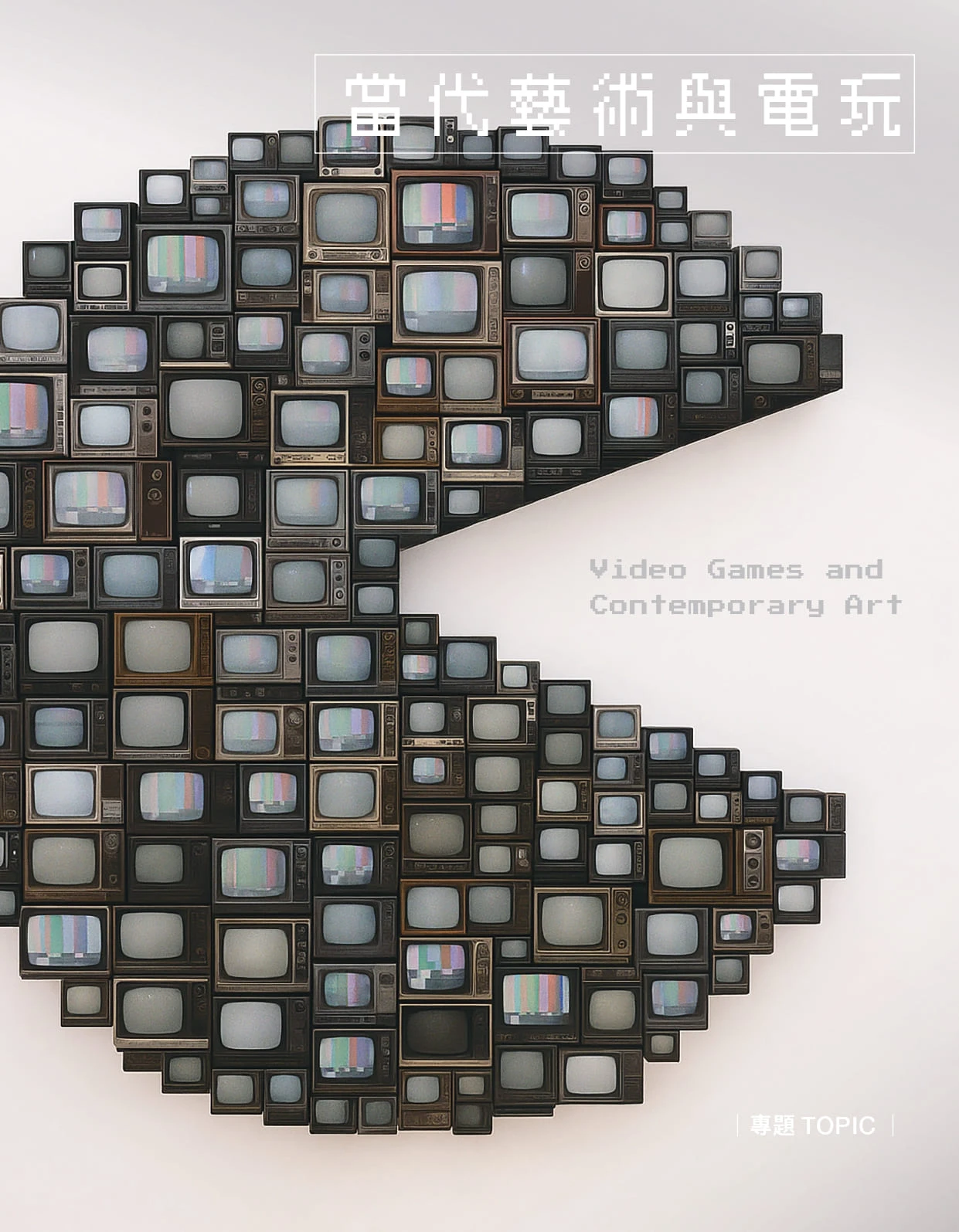
本期封面設計乃致敬曾風行全球的戰爭射擊遊戲《太空侵略者》(Space Invaders),藉模擬當年的機臺螢幕、貼皮紋飾以及風行熱潮中對遊戲畫面的細部造型改造,由此開啟本期電玩專號的閱讀。專題的單元頁則以數百台映像管電視螢幕構築出另一款經典電玩《小精靈》(Pac-Man)的外型輪廓,提醒著電玩——「電子遊戲」(Video Games)——發端於電腦資訊科學及其先天與錄像藝術(Video Art)的親緣關係,更提示了電玩與當代藝術相遇或分道揚鑣的十字路口。
黃哲翰從電玩與藝術的多重歷史交匯切入,探討電玩藝術及其理論的交叉演進,並歸納出電玩藝術化特徵與形式。羅禾淋則以波伊斯「社會雕塑」為引,闡述「電玩之玩」的藝術性內涵,並觀察伴隨數位科技發展的進行式。李佳霖透過國際案例與自身策展,說明電玩「從電動間到展間」的轉換,作品從「玩」到「觀看」之間的質變。不同於聚焦電玩製作行業的研究,香港獨立策展人陳子澂從當代藝術語境出發,觀察華人藝術家的創作實踐。因應電玩時代的到來,許亞琦提出美術館應積極「開啟副本」,參照歐美各博物館的電玩應用經驗,調整定位、擬定策略,成為包容電玩文化的對話場域。最後,漫畫家柳廣成以帶著溫暖筆觸的鉛筆手繪,帶領讀者重回電玩的純粹與初心。
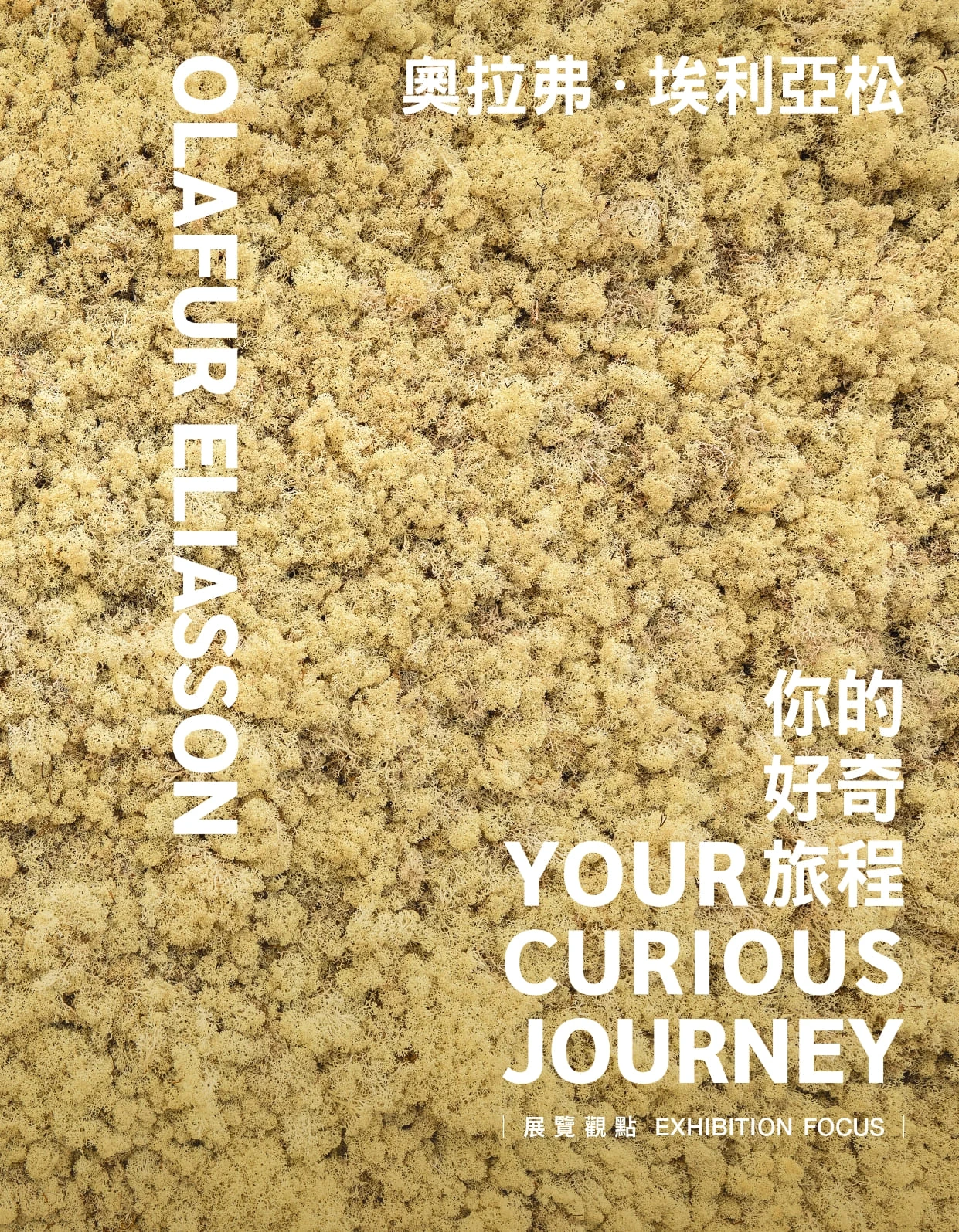
今夏最受矚目的展覽莫過於「奧拉弗.埃利亞松:你的好奇旅程」。本期「展覽觀點」邀請肩負大展執行推動的北美館研究員蘇嘉瑩撰寫專文,有如紙上深度導覽,深入但簡明扼要地評述藝術家作品的欣賞要點。另一篇章,則是展覽開幕的藝術家對談,由獨立策展人林怡華主持、臺灣藝術家吳瑪悧與埃利亞松對談,從與藝術相遇、觀看感知到身體感,乃至奇觀盛行時代的藝術創作危機,對藝術與藝術之道的扣問,為埃利亞松旋風式訪臺和發言,留下與在地深刻對話後互向內化的創造性能量。
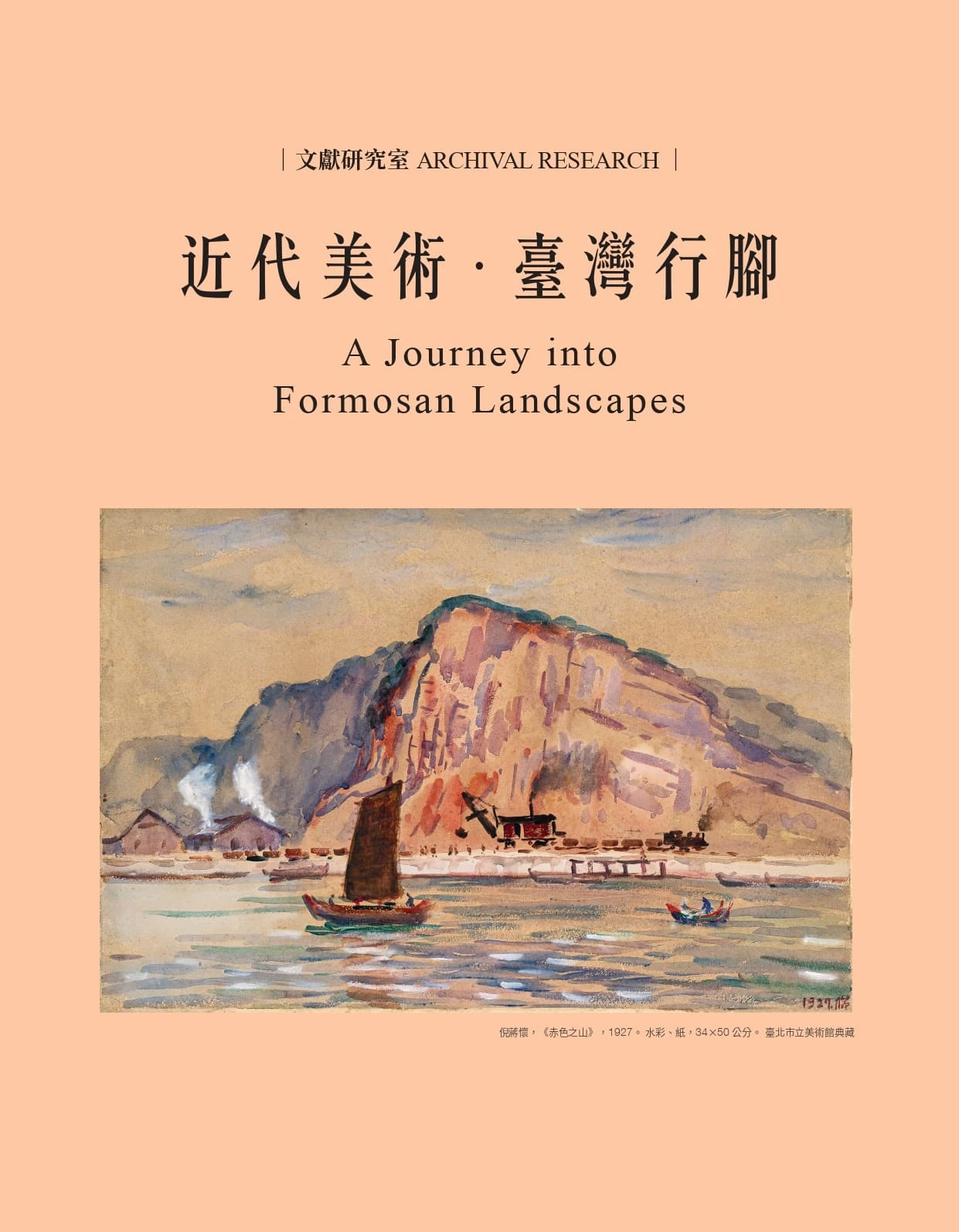
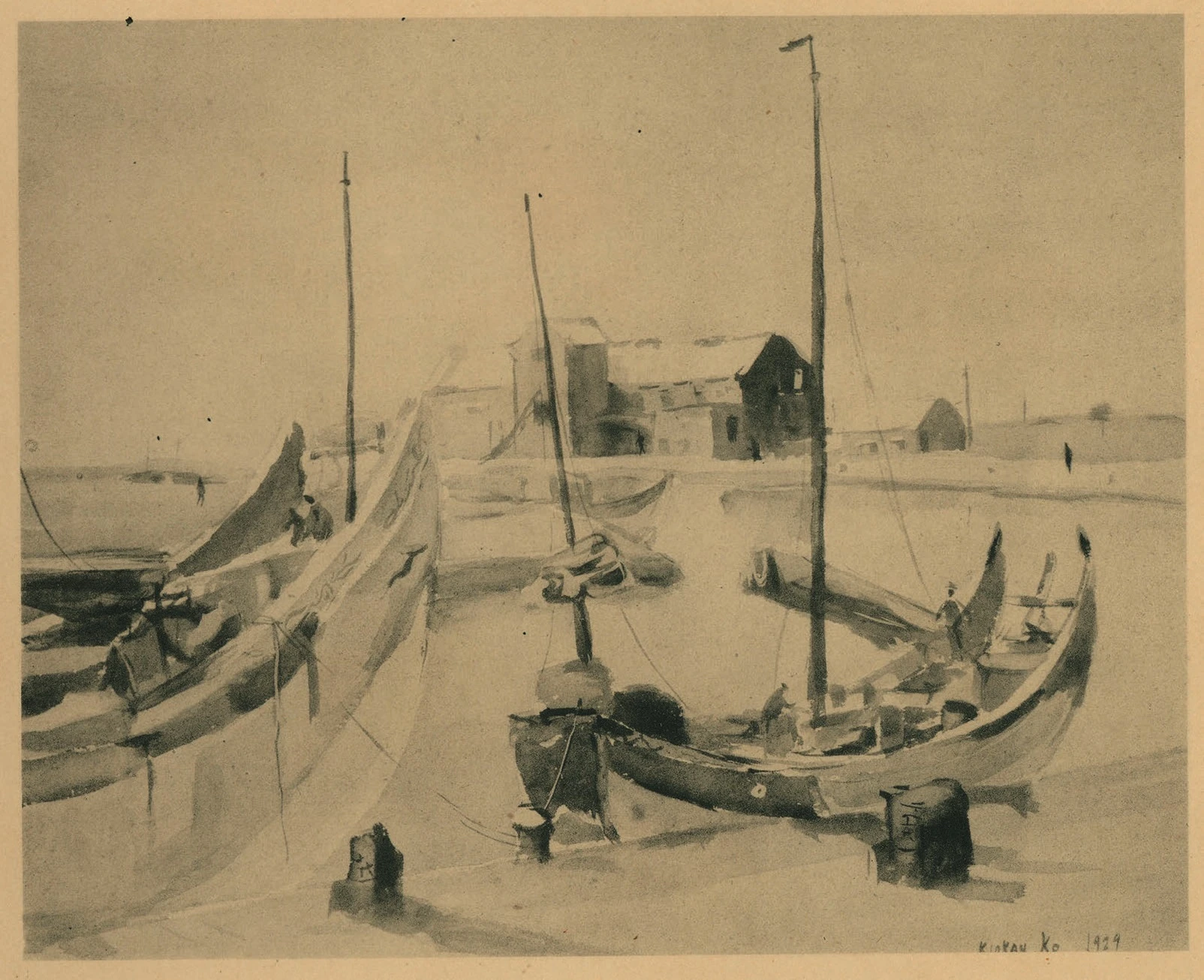
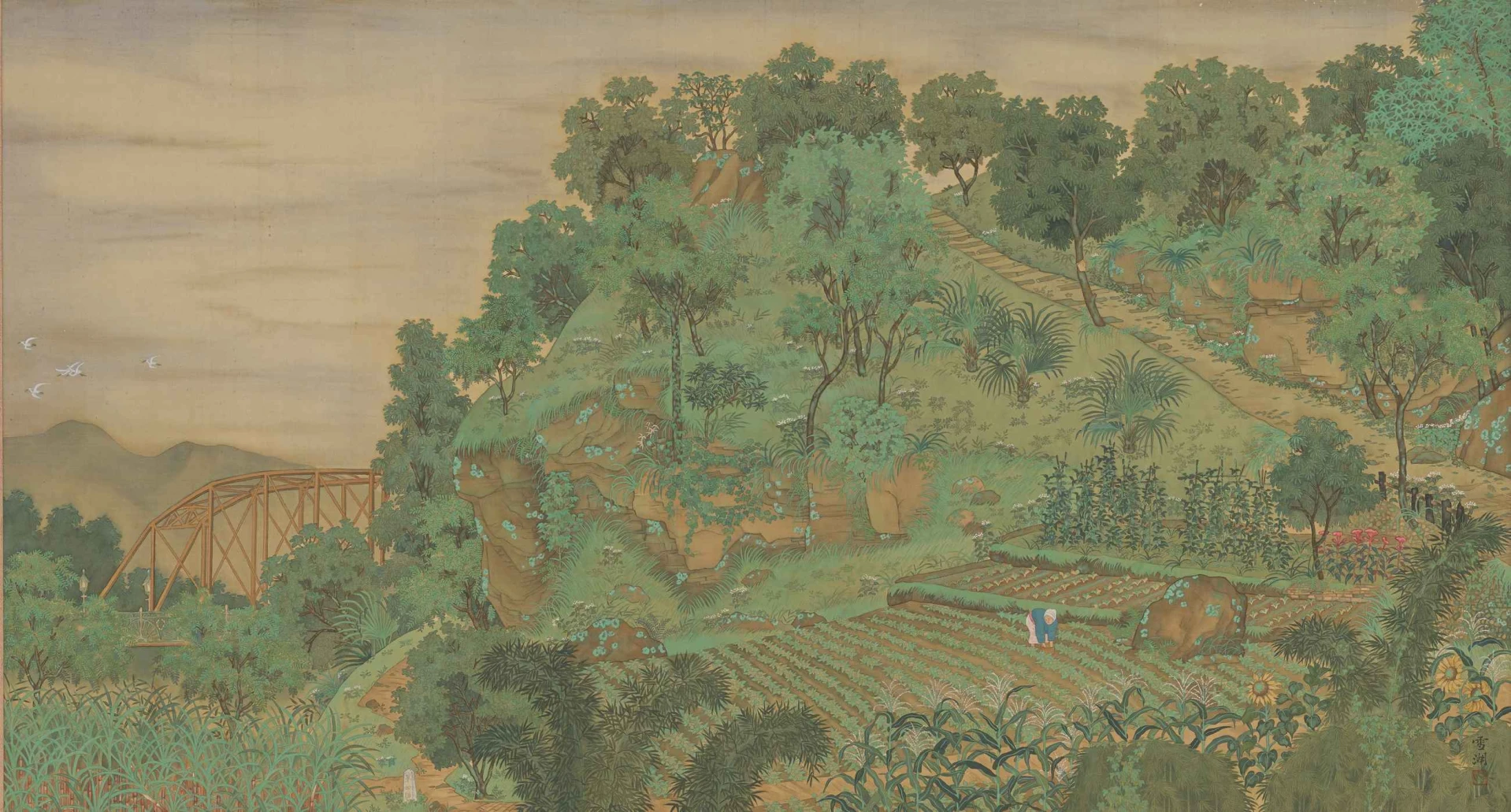
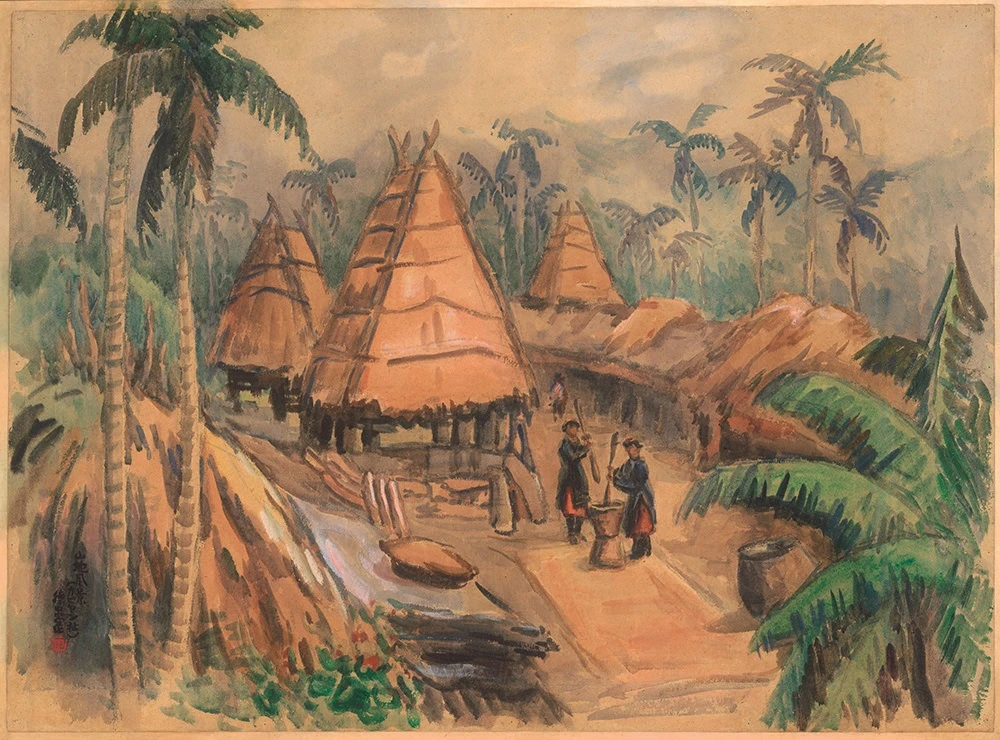
北美館長期關注臺灣近代美術史與前輩藝術家創作脈絡,無論在《現代美術》或《現代美術學報》均多所著墨。本期「文獻研究室」以「近代美術.臺灣行腳」呼應「懷德樂美——倪蔣懷紀念展」及10 月出版的學報第49 期「亞洲近代美術與臺灣」,邀請三篇文章聚焦探討臺灣近代美術作品與藝術家,以新材料或運用資料庫考掘,進而提出新觀點或發現:林育淳透過藝術家郭雪湖1928 年作品《圓山附近》的取景評議與多方考證,以〈空間中的記憶:關於郭雪湖《圓山附近》的複數視野〉為題,揭示其融合實景與記憶拼貼的創作手法,並將圓山視為多層歷史與文化記憶交織的象徵空間;劉錡豫藉由〈近代臺灣水彩畫家倪蔣懷、陳英聲與藍蔭鼎的東亞寫生旅行〉一文,指出三位臺灣水彩畫家透過長程的寫生旅行或短程工作,善加利用水彩畫的攜帶便利性,發展出各具特色的創作實踐與地景觀察;林晏撰寫〈臺展畫家高均鑑之文獻資料庫搜研踏查〉,則以目前作品可能不存於世的藝術家為例,運用多種文獻資料庫,重構其生平與創作脈絡,顯現資料庫建置對於發掘被遺忘臺府展畫家的價值所在。
Video games are changing the world! In May this year, a severe military clash erupted between India and Pakistan. The Pakistani government released footage purportedly showing the downing of an Indian fighter jet—only for it to be exposed as a clip created from the military simulation game Arma 3. Video games are no longer just extensions of equipment or battlefields; they have become tools in the geopolitical struggles of our time. In the first frame of Chen Pei-Hsiu's comic "Outsiders" from our journal's Issue 211 topic, "Contemporary Art and War," a protagonist steps out from the war game This War of Mine—moving from the inside to the outside. In reality, the line between inside and outside, virtual and real, has been erased as we enter the digital metaverse. Video games are no longer just "more real than reality itself"; they have become mirror reflections of life itself.
Video games are also changing art! It is estimated that there are now more than 3 billion gamers worldwide (some statistics even claim 3.7 billion), meaning that nearly half the world's population has their own distinct gaming experiences and memories. Undeniably, video games are one of the fastest-emerging global artistic phenomena of our time. Increasingly, artists are drawing upon their gaming experiences, using games as a medium of creative expression. In Europe and the United States, this has already given rise to a substantial body of discourse and dedicated scholarly communities in game studies, while domestic research is just beginning to flourish. With this issue's special topic "Video Games and Contemporary Art," we aim to look from the global back to the local, and to reflect on the intersections of contemporary art and video games in Taiwan—through history, aesthetics, phenomena, case studies, and emerging trends.
The cover design of this issue pays homage to the once globally popular war-shooter game Space Invaders. By simulating the arcade screen, veneer patterns, and detailed game graphics of that era, it launches readers into this special issue on video games. The feature section's layout employs hundreds of CRT television screens to form the iconic silhouette of another classic, Pac-Man, reminding us that video games—"electronic games"—originated from computer science and share an inherent kinship with video art, while also pointing to the crossroads where video games intersect with or diverge from contemporary art.
Approaching from multiple historical intersections of video games and art, Dscher-Han Huang examines the parallel evolution of game-based art and its theories, identifying key characteristics and forms of the "artification" of games. He-Lin Luo, drawing on Joseph Beuys's concept of social sculpture, articulates the artistic dimensions of "play" in video games, observing its unfolding alongside developments in digital technology. Lee Chia Lin, through international case studies and her own curatorial experience, illustrates the shift of video games "from arcades to galleries," highlighting the qualitative transformation from playing to viewing. Diverging from research centered on the video game production industry, independent Hong Kong curator André Chan examines the creative practices of Chinese artists from within the context of contemporary art. In response to the arrival of the gaming era, Ya-Chi Hsu calls for museums to actively "open side quests," adapting their positioning and strategies by referencing European and American experiences with video game integration, thereby becoming spaces that can embrace dialogue with gaming culture. Finally, comic artist Lau Kwong Shing, with his warmly expressive pencil drawings, guides readers back to the purity and original spirit of video games.
Olafur Eliasson: Your Curious Journey is undoubtedly the most anticipated exhibition this summer. In this issue's Exhibition Focus, Chiaying Su, a researcher at the Taipei Fine Arts Museum who spearheaded this exhibition, contributes a special essay that serves as an in-depth paper guide—insightful yet concise in outlining the essential points for appreciating Eliasson's works. Another article features a conversation between the artists, held during the exhibition's opening. Moderated by independent curator Eva Lin, Taiwanese artist Mali Wu and Eliasson engaged in a dialogue that explored the initial encounter with art, the acts of viewing and perceiving, and the role of the body. They also delved into the crisis of art creation in an age of spectacle and fundamental questions concerning art and its practice. The dialogue left behind a mutually internalized creative energy following profound exchanges with local communities during Eliasson's whirlwind visit to Taiwan.
TFAM has long maintained a dedicated focus onTaiwan's modern art history and the creative trajectories of pioneering artists. This sustained engagement is reflected in numerous contributions to both Modern Art and the Journal of Taipei Fine Arts Museum. In this issue, the Archival Research section, "A Journey into Formosan Landscapes," resonates with the exhibition Virtue and Beauty: A Tribute to Ni Chiang-Huai and the forthcoming Issue 49 of the journal, themed "Asia's Modern Art and Taiwan". It features three articles exploring works and artists of modern Taiwanese art, employing new materials and database research to propose fresh perspectives and discoveries. Lin Yu-chun, through a detailed analysis of the framing and extensive cross-referencing of Kuo Hsueh-Hu's 1928 work Scenery Near Yuan-Shan, presents "Mapping Memory: Multiple Perspectives on Kuo Hsueh-Hu's Scenery Near Yuan-Shan," revealing the artist's technique of blending real landscapes with collaged memories, and situates Yuan-Shan as a symbolic space where layered historical and cultural memories intertwine. Chi-Yu Liu's article, "Plein-air Travels in East Asia: Modern Taiwanese Watercolorists Ni Chiang-Huai, Chen Ying-Sheng, and Ran In-Ting," highlights how these three Taiwanese watercolorists took advantage of watercolor's portability during extended plein-air journeys and short-term assignments, each developing distinctive creative practices and landscape observations. Lin Yen's "Digital Traces across Online Archives: Taiten Artist Kao Chun-Chien" uses an artist whose works may no longer exist in the world as a case study, employing multiple documentary databases to reconstruct his life and creative context, demonstrating the value of database construction in uncovering forgotten Taiten and Futen painters.